
Products
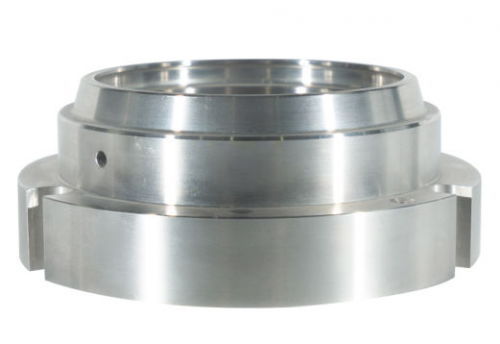
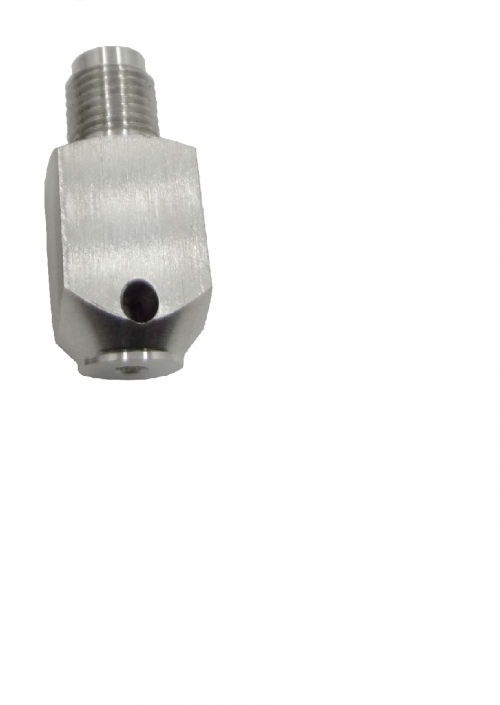
Stainless Steel 316L
316L is a low carbon-chromium-nickel-molybdenum austenitic stainless steel with good strength and excellent corrosion resistance, as supplied in the annealed condition with a typical brinell hardness of 175.
Description:
Characterised by:
High corrosion resistance in marine and industrial atmospheres, it exhibits excellent resistance to chloride attack and against complex suphur compounds employed in the pulp and paper processing industries. The addition of 2% to 3% of molybdenum increases its resistance to pitting corrosion and improves its creep resistance at elevated temperatures. The low carbon content reduces the risk of intergranural corrosion (Due to carbide precipitation) during welding, reducing the need for post weld annealing. It is used extensively by the Marine, Chemical, Pulp and Paper, Textile, Transport, Manufacturing and allied industries, food industry.
Aluminium Alloy
Series 1xxx: 1050, 1060, 1070, 1080, 1100, 1435 other(are essentially pure aluminium with a minimum 99% aluminium content by weight)
Series 2xxx: 2011, 2014, 2017, 2024 other (are alloyed with copper, can be precipitation hardened to strengths comparable to steel. Formerly referred to as duralumin, they were once the most common aerospace alloys, but were susceptible to stress corrosion cracking and are increasingly replaced by 7000 series in new designs.)
Series 3xxx: 3002, 3003, 3003, 3104, 3204, 3030 other(are alloyed with manganese)
Series 5xxx: 5005, 5025, 5040, 5056, 5083 other(Very good resistance to corrosion and oxidation. For parts with a good mechanical strenght and improved fatigue resistance.)
Series 6xxx: 6101, 6003, 6061, 6063, 6020, 6201, 6262, 6082 other(For machinery components, structural elements. It offers resistance levels higher than the 5xxx series alloys and has a good resistance to corrosion.)
Series 7xxx: 7003, 7005, 7050, 7075 other(Aeronautical alloy: gears and shafts, bicycle and motorbike frames, sprockets, aerospace implementation, nautical engines, moulds, others)