
Products
Titanium Grade 2
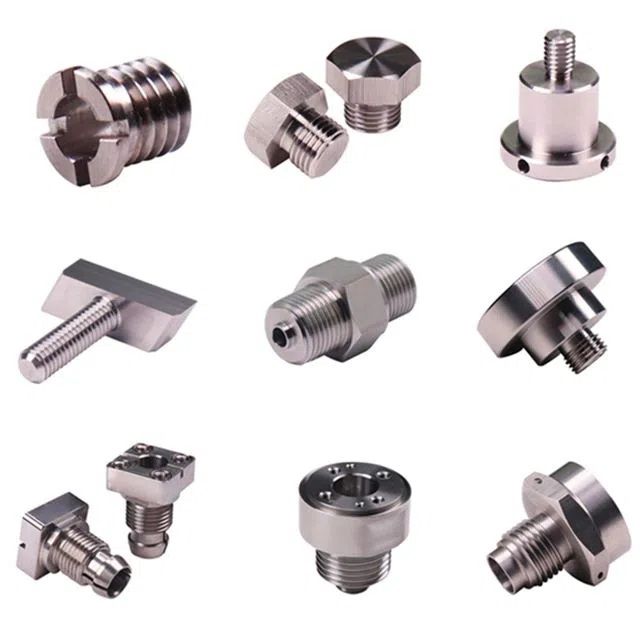
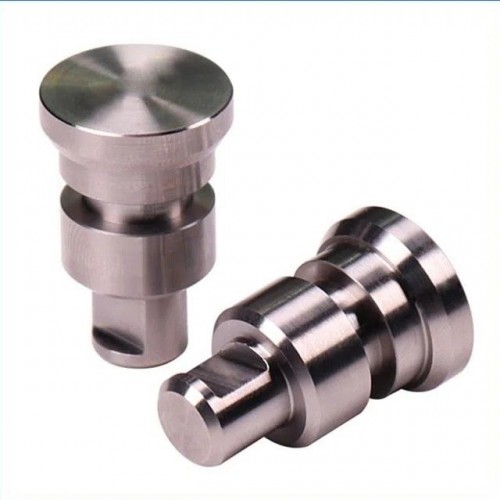
Titanium Grade 2 is unalloyed titanium and what is considered a “commercially pure” titanium. Titanium Grade 2 is used commonly in applications that require welding because of its strong weldability properties. Titanium Grade 2 is light weight and highly corrosion resistant but has much lower strength than alpha-beta or beta titanium alloys. Titanium Engineers produce titanium bar, seamless tube and titanium machined components in Titanium Grade 2.
Description:
Titanium Grade 2 is unalloyed titanium and what is considered a “commercially pure” titanium. Titanium Grade 2 is used commonly in applications that require welding because of its strong weldability properties. Titanium Grade 2 is light weight and highly corrosion resistant but has much lower strength than alpha-beta or beta titanium alloys. Titanium Engineers produce titanium bar, seamless tube and titanium machined components in Titanium Grade 2.
Aluminium Alloy
Series 1xxx: 1050, 1060, 1070, 1080, 1100, 1435 other(are essentially pure aluminium with a minimum 99% aluminium content by weight)
Series 2xxx: 2011, 2014, 2017, 2024 other (are alloyed with copper, can be precipitation hardened to strengths comparable to steel. Formerly referred to as duralumin, they were once the most common aerospace alloys, but were susceptible to stress corrosion cracking and are increasingly replaced by 7000 series in new designs.)
Series 3xxx: 3002, 3003, 3003, 3104, 3204, 3030 other(are alloyed with manganese)
Series 5xxx: 5005, 5025, 5040, 5056, 5083 other(Very good resistance to corrosion and oxidation. For parts with a good mechanical strenght and improved fatigue resistance.)
Series 6xxx: 6101, 6003, 6061, 6063, 6020, 6201, 6262, 6082 other(For machinery components, structural elements. It offers resistance levels higher than the 5xxx series alloys and has a good resistance to corrosion.)
Series 7xxx: 7003, 7005, 7050, 7075 other(Aeronautical alloy: gears and shafts, bicycle and motorbike frames, sprockets, aerospace implementation, nautical engines, moulds, others)